Most electricians lose touch with a customer the same day the invoice gets paid. The panel upgrade from two years ago, the generator installed before last winter, the rewiring finished for a kitchen remodel: once the job is done and the invoice is settled, nobody emails that customer again until a competitor’s truck happens to be parked on their street first.
Without electrician customer reactivation email automation running in the background, the problem is rarely that past customers are unhappy. Referrals and Google reviews bring in new names every month, but the people who already paid for real work and already trust the result tend to get forgotten, and a forgotten customer calls whoever answers the phone first the next time something trips, sparks, or stops working.
- Why past customers go quiet
- The five automated email sequences that keep electricians booked
- What real electrician customer reactivation email automation looks like
- Seasonal reminders turn a slow week into a booked week
- The real difference reminders make to electrician revenue
- How to set this up without doing it yourself
- A reactivation automation checklist before you build or buy
- Why this matters more for independent electricians
- What to do next
- FAQ
Why past customers go quiet
It is almost never a satisfaction problem. A customer who got a clean panel upgrade or a generator hookup done right is not avoiding the electrician on purpose. They simply stop thinking about electrical work the moment the job is finished, and nothing in most electricians’ routine brings that customer back to mind again until a new invoice goes out to someone else entirely.
Growth for most electrical contractors runs almost entirely on referrals and Google reviews, and both channels point in one direction only: forward, toward people who have never hired the business before. Neither channel does anything to resurface the hundreds of past customers already sitting in the job history, each one a real candidate for the next panel check, EV charger install, or smart home wiring project, and each one currently hearing from the business exactly zero times after the invoice clears.
The honest reason this list goes untouched is capacity, not neglect. Pulling names from past jobs, working out who might be due for a follow on project, writing something that does not read like a form letter, and sending it on a schedule takes real time every week, and an electrician running a full truck schedule rarely has a spare hour for list building between service calls. Past customer reactivation electrician outreach gets pushed to later, and later rarely comes.
Meanwhile the job history itself is sitting right there, already organized by date and service type inside whatever scheduling or invoicing software the business already uses. Nothing about reaching that list is a research problem. It is a follow up problem, and follow up problems are exactly what a scheduled sequence solves once it is set up a single time and then left alone to keep running on its own.
The five automated email sequences that keep electricians booked
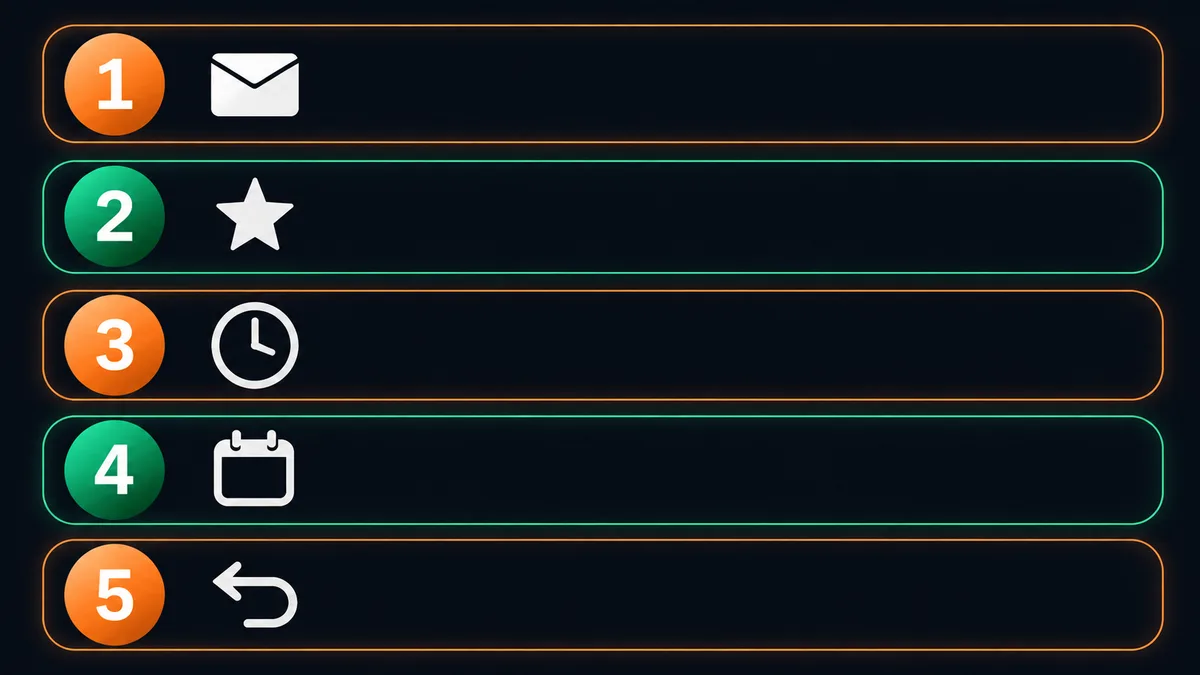
Electrician email marketing research keeps landing on the same structure no matter which agency publishes it: five core sequences, each built once and then left running on its own. A detailed breakdown of this exact structure is worth reading in full in Gushwork’s electrician email marketing guide, and the shape of it maps directly onto how electrical work happens.
- Welcome sequence. A short thank you plus a basic safety tip, sent right after the first job closes, so the first message a new customer gets is not a sales pitch.
- Post job review request. Electrician review request automation sends a short ask for a Google review a few days after the work is finished, while it is still fresh in the customer’s mind.
- Reactivation sequence. Six to twelve months after the last job, a check in email highlighting common follow on work: panel upgrades, EV charger installs, generator hookups, smart home wiring.
- Seasonal maintenance reminder. Seasonal electrical safety check marketing and an electrical panel upgrade reminder email, timed before storm season or before winter, when the work is genuinely relevant.
- Win back sequence. A low friction message once a customer has gone quiet for around eighteen months, aimed at reopening the conversation rather than pushing a hard sell.
What real electrician customer reactivation email automation looks like
A working reactivation sequence is not one email. It is a short series of touches, timed around what the customer bought, that escalates gently and then hands off to a separate win back track if nothing lands within the normal window.
- Pull job history automatically, not from memory or a notebook in the truck.
- Segment by job type and date, since a generator customer and a panel customer are due for different follow on work at different times.
- Send the review request fast, while the work is still fresh and the customer is still glad the lights turned back on.
- Trigger the reactivation check in, six to twelve months later, with a specific, low friction question rather than a generic “checking in.”
- Move unresponsive customers into the win back track, instead of quietly dropping them from outreach altogether.
Gushwork’s own research frames step five plainly: contact everyone who has not booked a service in the last eighteen months, since that single reactivation message often brings back a real share of past customers for a fraction of the cost of a brand new ad campaign. A short message like “Do you still need help with electrical work at your place?” with a one tap “yes, I might” reply removes almost all the friction of responding, which matters more than clever copy ever does.
Seasonal reminders turn a slow week into a booked week
Generator readiness before storm season, panel and surge protector checks before winter, outdoor lighting checks before the holidays: these are not hard sells, they are genuinely useful reminders tied to a calendar date the customer already cares about. A seasonal electrical safety check marketing message sent at the right moment reads as a courtesy, not a pitch.
One electrical contractor running automated SMS reminders before storm season for two hundred generator customers watched its maintenance booking rate climb from fifteen percent with no reminder at all to fifty two percent with a simple “storm season starts in four weeks, time to test your generator” message, adding roughly eighteen thousand dollars in maintenance revenue in a single season, according to Sakari’s electrician marketing guide. That is one contractor’s own published case, not an industry average, but it is a real, sourced number worth knowing the origin of before repeating it.

The real difference reminders make to electrician revenue
Home service email lists open at twenty eight to thirty five percent on average, well above the 19.21 percent all industry average and the 22.5 percent construction specific average, according to PipelineOn’s 2026 data cited in Webtonic’s electrical email marketing statistics. That gap exists because a message from a business you already hired gets opened more often than a message from a stranger asking for a first chance.
The same research puts email’s return at thirty six to forty five dollars for every dollar spent for home service businesses, ahead of Google Local Services Ads at 8.5 times, Google Search Ads at 5.8 times, and Meta Ads at 5 times. Email converts electrical service inquiries at around five percent, close behind direct mail at nine percent and well ahead of social media at three percent, and automated sequences outperform one off campaigns by thirteen to eighteen times on revenue, since the automation keeps working on the list long after a single campaign would have been forgotten.
None of these numbers depend on the electrician doing anything clever with the writing itself. They depend on the message going out on schedule, every time, to the right customer at the right moment in their job history. A short, plain email sent consistently to a segmented list beats a clever one off campaign sent to everyone at once, because consistency is what a reactivation list rewards over time.
How to set this up without doing it yourself
Most of the platforms covered in the research above are software an electrician configures and runs personally, which is a real option if someone on the team has the time to own campaign setup, segmentation, and ongoing tuning. That is a fair tradeoff, not a knock on those tools.

What we run for clients through our email outreach automation is the sequencing and win back mechanics described above, built and run for the business rather than configured by the business. We set up the welcome, review request, reactivation, seasonal, and win back messages, the escalation timing between them, and the reply handling so a response pauses the sequence automatically instead of sending an awkward follow up to someone who already booked. The electrician gets a dashboard showing who is in the pipeline and who replied, without anyone on staff logging in to manage a campaign.
The setup cost is a flat $299 one time, with a $149 monthly fee that covers up to 1,000 contacted customers a month, and a 7-day trial after go-live with a full refund if it is not working the way it should. There is no “book a call to find out” pricing page, because the point of running this ourselves is giving a real number upfront instead of asking a business to guess.
A reactivation automation checklist before you build or buy
Whether an electrician builds this inside existing field service software or brings in a done for you system, the same questions decide whether it works:
- Does it pull job history automatically, or does someone still have to export and check a spreadsheet by hand?
- Does it branch by job type, so a generator customer and a panel customer get different timing instead of one blanket schedule?
- Does a reply stop the sequence automatically, so a customer who already booked does not get a second reminder that reads as careless?
- Is there a separate win back track, for customers who pass the normal reactivation window without booking, instead of just dropping them?
- Can you see what is happening, through a real dashboard, without needing to ask someone to pull a report?
- Who owns tuning it over time, adjusting message timing and copy as replies come in, once the first sequence goes out?
Why this matters more for independent electricians
A large franchise electrical company can absorb a sloppy follow up process because volume covers the gaps. An independent, owner run shop cannot. Every past customer who goes quiet is a bigger share of that business’s total customer list, and every missed follow on job is revenue that does not come back on its own.
Independent electricians also compete against franchises that already run reactivation and seasonal reminders as a standard part of their CRM, not an upgrade someone has to think about. A shop that still relies only on word of mouth is not just missing new leads. It is losing past customers to whichever competitor reminded them first.
We have now built and run more than 30 automations across 300 or more client projects, almost all of them some version of the same problem: a good business with no system reliably following up on the people who already trust it. Renewal reminders for a plumbing maintenance plan, review follow up for a chiropractic clinic, reactivation for a lapsed patient list. The trade changes. The gap that lets revenue lapse without anyone noticing does not. We broke down that exact reactivation pattern for chiropractic practices in our chiropractic patient reactivation automation guide, and the underlying mechanic transfers directly to an electrician’s customer list.
We already covered the acquisition side of this niche’s growth problem in how electricians get more leads when referrals alone are not enough. Reactivation automation is the other half of the same problem: keeping the customers already on the books instead of only chasing the next new name.
What to do next
Start by pulling an honest number: how many past customers have not heard from the business in the last twelve months, with no follow up in motion. Most shops have never counted this, and the number is usually bigger than anyone expects once the job history gets pulled.
From there, the decision is simple even if the follow through is not. Either someone on staff gets dedicated, protected time every week to run reactivation by hand, or the sequence runs itself through software the business configures, or it runs itself through a done for you system built and maintained by someone else. All three can work. The one that does not work is the default fourth option: no system at all, just hoping past customers remember on their own.
If the honest answer is that nobody has the hours to own this internally, that is exactly the gap our email outreach automation is built to close, with the sequencing and reply handling described above running in the background every day.
FAQ
What is electrician customer reactivation email automation?
It is a system that tracks each past customer’s job history, then sends scheduled review request, reactivation, seasonal, and win back messages automatically on a fixed timeline instead of relying on staff to remember and act manually.
How soon after a job should the first message go out?
The post job review request should go out within a few days of the work finishing, while the customer is still glad the problem got fixed. The reactivation check in comes much later, usually six to twelve months after that.
Will reactivation emails annoy past customers?
Rarely, if the message is short, genuinely relevant to work they already bought, and easy to ignore with one tap. A seasonal reminder about a generator the customer owns reads as useful, not pushy.
What is the difference between a reactivation email and a seasonal maintenance reminder?
A reactivation email checks in on a customer who has simply gone quiet, regardless of the time of year. A seasonal maintenance reminder is tied to a specific calendar trigger, like storm season for generators or winter for panel checks, and goes out to everyone due for that specific service.
Does this replace referrals and Google reviews?
No. Referrals and reviews bring in new customers who have never hired the business before. Reactivation automation works the other direction, on customers already in the job history, so the two channels work alongside each other rather than competing.
What happens when a past customer replies?
A properly built sequence stops automatically the moment someone replies, so they never get an awkward follow up after they have already responded, and the reply lands directly with the business to schedule the job.
A past customer list only creates revenue once someone reminds the people on it. Whether that reminder comes from a staff member with protected time, software the business configures itself, or a system we build and run for the business, the past customers who never call back are almost always the ones nobody reminded, not the ones who left on purpose.