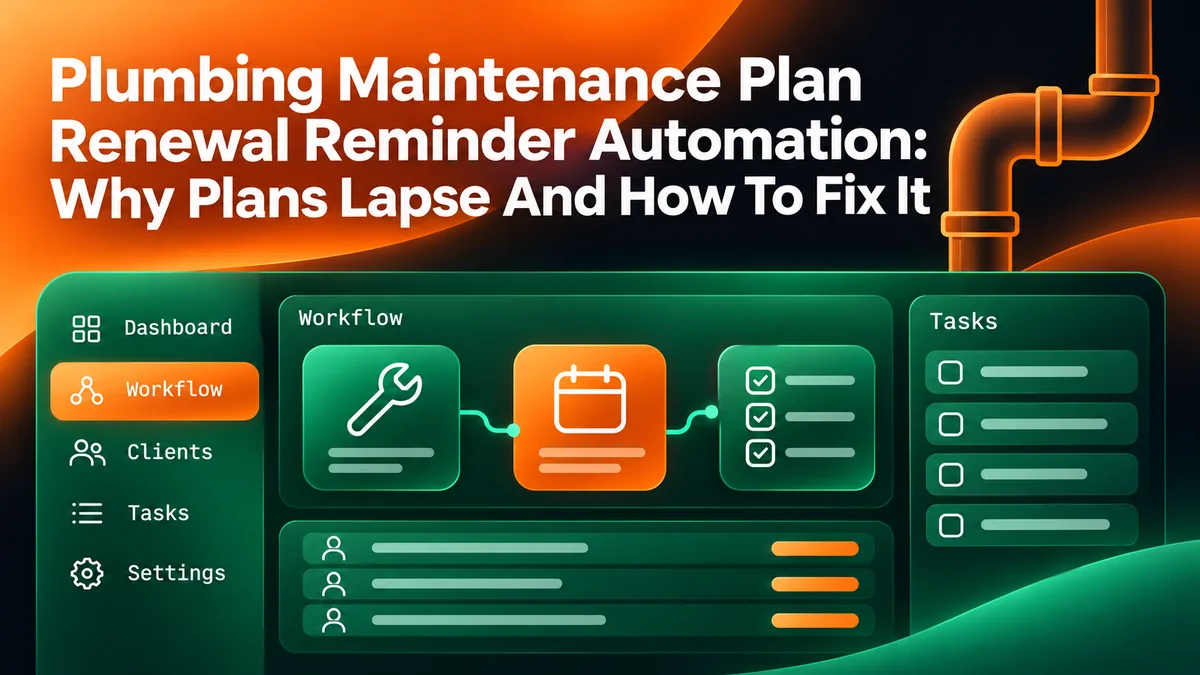
Every plumbing company that sells maintenance plans eventually hits the same overlooked failure. A $249 or $299 a year agreement goes out, the first tune up happens on schedule, and then the renewal date passes with nobody on staff noticing it passed. The customer does not call to cancel. The plan just never gets a renewal reminder, and it falls off the books the same way it arrived: without anyone deciding it should. Plumbing maintenance plan renewal reminder automation exists because that gap, not customer dissatisfaction, is the reason recurring plumbing revenue stalls instead of growing every year the business keeps selling plans.
- Why plumbing maintenance plans lapse without a renewal system
- Five signs a plumbing maintenance plan is about to lapse
- Manual tracking vs plumbing maintenance plan renewal reminder automation
- The 30/14/7 day renewal reminder sequence that renews plans
- What auto renewal does to retention
- How plumbing maintenance plan renewal reminder automation runs without you doing it
- A renewal automation checklist before you build or buy
- Why this matters more for independent plumbing companies
- What to do next
- FAQ
Why plumbing maintenance plans lapse without a renewal system
A plumbing maintenance plan rarely lapses because a customer is unhappy with the service. It lapses because the renewal date lives in one place only: a spreadsheet tab, a sticky note on a dispatcher’s monitor, or a line item buried inside a job record in whatever field service software the company already runs. Nobody checks that tab every week, so the date passes unnoticed and the plan simply stops renewing itself.
Industry research backs this up directly. Home service contractors who track renewals by hand lose an estimated 30 to 40 percent of renewable service agreements every year simply because nobody tracks the expiration date on a system, according to US Tech Automations’ renewal reminder research. That is not a service quality number. It is a tracking number, and tracking is exactly the kind of repetitive task a scheduled sequence handles better than an office manager juggling a full service calendar. This is the exact gap plumbing maintenance plan renewal reminder automation is built to close.
The failure usually shows up twice. First, the plan lapses without the business noticing, so the recurring revenue disappears from next month’s numbers with no warning. Second, by the time anyone notices the gap, months have often passed and the customer has forgotten the plan existed at all, so a phone call that would have been an easy renewal six weeks earlier now reads as a cold pitch from a company the customer barely remembers hiring.
Five signs a plumbing maintenance plan is about to lapse
A plan rarely lapses out of nowhere. The warning signs show up weeks before the actual expiration date, and most of them are already visible inside whatever scheduling software the company runs, if anyone takes the time to look plan by plan, which is the same check plumbing maintenance plan renewal reminder automation runs on its own every day.
- The last scheduled visit happened ten or more months ago with no next visit booked on the calendar.
- The renewal invoice went out and was never opened or paid, and nobody followed up on it.
- The card on file expired and nobody asked the customer for a new one.
- A technician’s notes from the last visit still say “customer wants to think about it,” and that note was never revisited.
- The plan is still priced at a rate set two or more years ago, a sign nobody on staff has touched the account since the day it was sold.
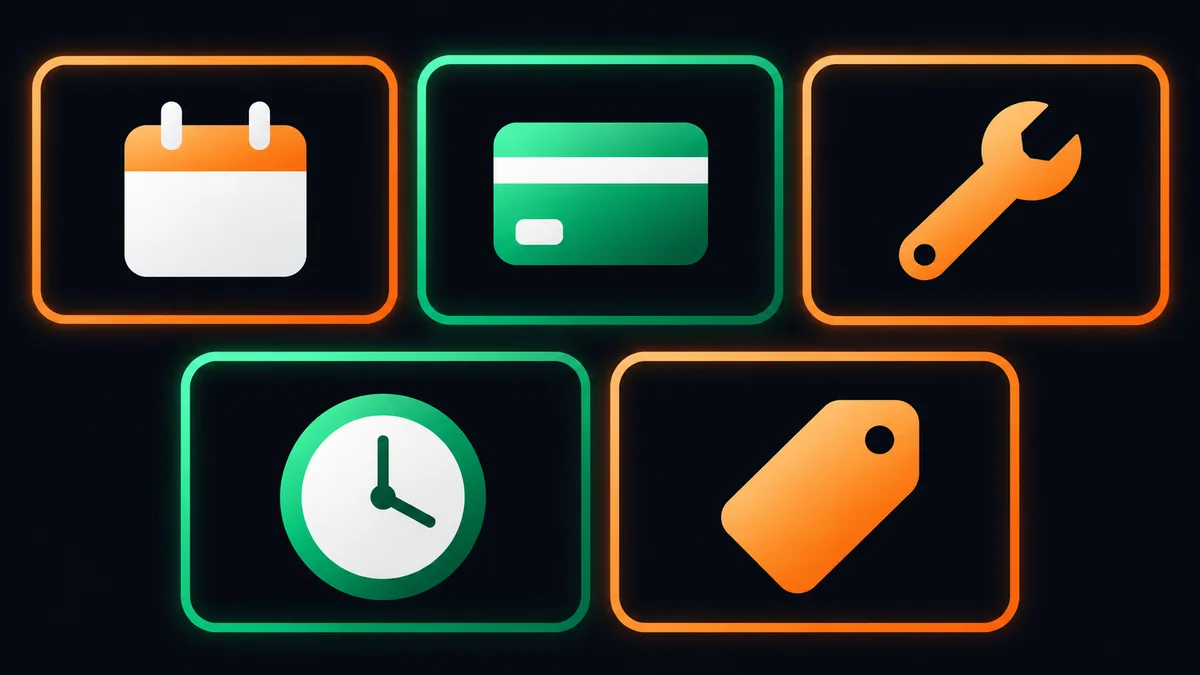
Each of these signs is catchable the moment it happens, instead of discovered three months later when the plan has already gone cold and the customer has moved on to whoever answered the phone first.
Manual tracking vs plumbing maintenance plan renewal reminder automation
Most plumbing companies that sell maintenance plans already have some kind of tracking method. The question worth asking honestly is whether that method gets checked on a fixed schedule, or whether it only gets checked when someone happens to remember.
| What happens | Manual tracking | Renewal reminder automation |
|---|---|---|
| Where the renewal date lives | A spreadsheet tab, a sticky note, or a buried field in a job record | The scheduling or CRM software already in use, read automatically on a schedule |
| Who checks the expiration date | Whoever remembers to look, on no fixed schedule | Nobody. Every plan gets checked against its date every day |
| 30/14/7 days before expiration | Usually nothing happens until after the plan has lapsed | A reminder email or text goes out automatically at each interval |
| When a card on file fails | The payment fails without anyone being told | A retry sequence runs, and a real person is alerted if it keeps failing |
| Who makes the save call | Nobody, most months | A short flagged list of still unrenewed plans, so one person can call a known list instead of guessing |
The 30/14/7 day renewal reminder sequence that renews plans
The timing pattern that shows up across home service renewal research is consistent enough to treat as a real working standard: a reminder 30 days before expiration explaining what the plan includes and why it is worth keeping, a second reminder 14 days out with a one tap renewal link, and a final reminder 7 days before the plan lapses, since this is the last message before it ends.
One 90 day pilot of this exact three touch sequence produced a 71 percent renewal rate against a 52 percent baseline from the year before, according to the same US Tech Automations renewal benchmark. That is one pilot, not a universal number, but the direction matches every other renewal reminder source checked for this piece: more touches, timed before the deadline instead of after it, renew more plans than a single reminder sent on or after the expiration date itself.
- Day minus 30: a value reminder explaining what the plan covers and what it has already caught over the past year.
- Day minus 14: a short text with a one tap renewal link, aimed at the customer who meant to renew and simply has not clicked yet.
- Day minus 7: a final reminder with real urgency, since the plan lapses in a week if nothing happens.
- Day plus 30, after lapse: a separate win back message, treated as its own track rather than a repeat of the first three.
What auto renewal does to retention
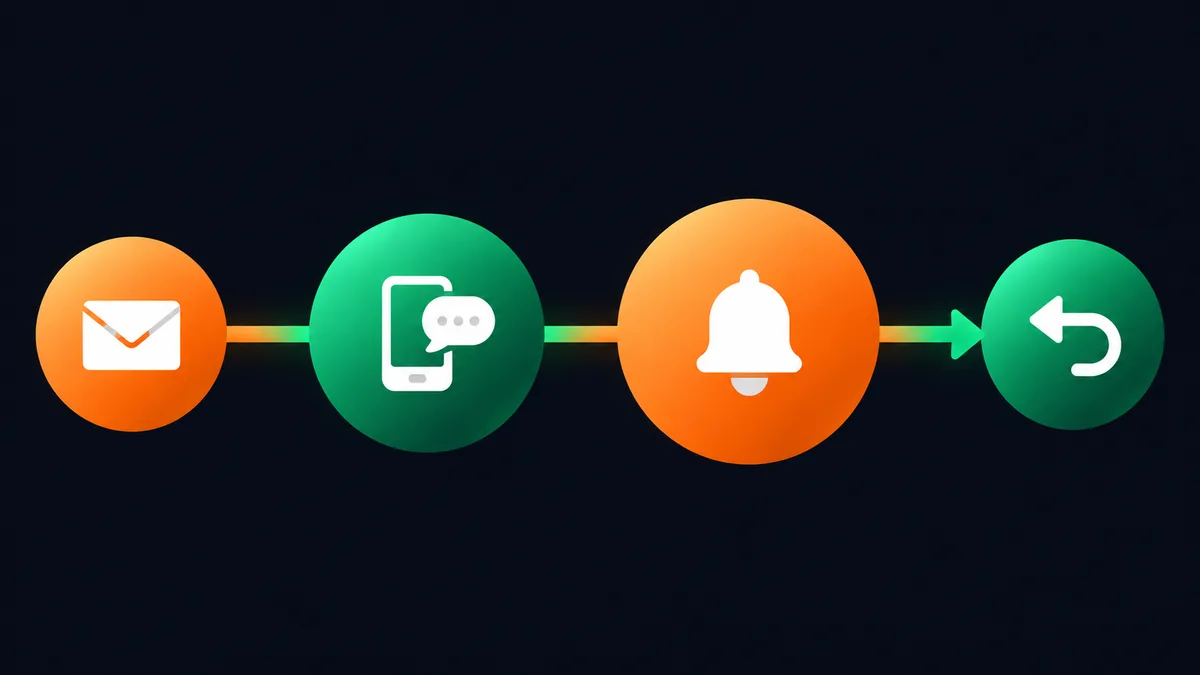
The retention gap between a reminder based process and true auto renewal, where a stored card renews the plan automatically unless the customer cancels, is large enough to change the math on whether a maintenance plan program is genuinely profitable to run.
Clockwork’s own published breakdown puts manual renewal retention at 71 percent in year one, since close to three in ten customers simply forget to re-enroll, against 94 percent retention once the plan renews automatically from a card already on file, according to Clockwork’s maintenance plan auto renewal guide. On a 500 customer plan book at $249 a year, that gap works out to losing 145 customers a year under manual renewal against 30 customers a year under auto renewal, a difference the same source estimates adds up to roughly $620,000 in customer value over five years.

Plumbing maintenance agreement gross margins also average 65 to 75 percent, measured across 259 home service companies, well above typical one-off repair and install margins, according to Level CFO’s maintenance contract benchmarks. A plan that disappears without a word is not a small loss. It is one of the highest margin lines on the books going away without a single conversation about why.
How plumbing maintenance plan renewal reminder automation runs without you doing it
Everything described above is something a plumbing company’s office staff can set up inside most modern field service software, a genuine option if someone already owns that task and has the hours to configure it, test it, and keep tuning it as plans come and go. Running plumbing maintenance plan renewal reminder automation this way is a real choice, not a lesser one, as long as someone stays accountable for it every week.
What we run through our email outreach automation is the sequencing itself: the 30/14/7 day renewal touches, the win back message after a lapse, and the flagged list of plans still unrenewed a few days past their date, built and run for the business instead of configured by the business. The plumbing company connects its existing customer list, approves the message tone once, and then watches renewals happen on a dashboard instead of chasing them by hand every month.
The setup is a flat $299 one time fee, with a $149 monthly retainer covering up to 1,000 contacted customers a month, plus a 7-day trial after go-live with a full refund if it does not work the way it should. There is no quote-only pricing page behind a book-a-call form, since giving a real number upfront is the entire point of running the service ourselves.
A renewal automation checklist before you build or buy
Whether a plumbing company builds this inside existing field service software or brings in a done for you system, the same questions decide whether plumbing maintenance plan renewal reminder automation earns its keep as plumber recurring revenue automation once it is live:
- Does it pull the renewal date automatically from the scheduling or CRM software already in use, or does someone still have to check a spreadsheet by hand?
- Does the 30/14/7 day sequence run on its own once a plan is loaded, without someone resending each message manually?
- Does a renewal or a reply stop the sequence automatically, so a customer who already renewed does not get a second reminder that reads as careless?
- Is there a separate win back track for plans that lapse anyway, instead of dropping those customers from outreach entirely?
- Does a failed card trigger a retry sequence instead of failing silently with nobody told?
- Can you see, on a real dashboard, exactly which plans are due, which renewed, and which lapsed, without asking someone to pull a report?
Why this matters more for independent plumbing companies
Maintenance agreements carry a real margin advantage over one-off service calls, and that advantage is exactly why a lapsed plan costs more than it looks like on the surface. The gap exists because a scheduled visit surfaces small, legitimate repairs, a worn shutoff valve, a water heater nearing the end of its life, before they turn into an emergency call, and because the plan itself is pre-sold revenue instead of revenue the company has to go win again from scratch each year.
The reminder math matters more here than the margin math alone suggests. Bain & Company’s long standing research on customer retention found that a 5 percent increase in retention can raise profits by 25 to 95 percent, because an existing customer already trusts the business and costs far less to keep than a new customer costs to win. A plumbing maintenance plan is one of the cleanest places in the business to apply that math directly, since the customer relationship, the pricing, and the service history already exist. The only missing piece most companies have is a system that reminds the customer to renew before the relationship goes cold.
We already covered the acquisition side of plumbing growth in how plumbing companies win property management contracts. Plumbing maintenance plan renewal reminder automation is the retention half of the same growth problem: keeping the plans already sold instead of only chasing the next new contract. An independent plumbing company competing against regional franchises that already run renewal automation inside their own CRM is not just losing a few maintenance plans here and there. It is losing the easiest, cheapest revenue already sitting on the books, to a competitor who simply remembered to ask first.
What to do next
Start by pulling an honest number: how many active maintenance plans currently have no renewal date tracked anywhere outside a technician’s memory or an unopened spreadsheet tab. Most plumbing companies have never counted this, and the number is usually larger than the office expects once the full customer list gets checked plan by plan, the exact list plumbing maintenance plan renewal reminder automation checks on its own every day.
From there, the decision is straightforward even if the follow through takes real commitment. Either someone in the office gets dedicated time every week to track renewal dates and make the calls, or the sequence runs through field service software the company configures itself, or it runs through a done for you system built and maintained by someone else. All three can genuinely work, as long as one of them is happening in practice instead of relying on the date getting noticed on its own.
If the honest answer is that nobody in the office has the hours to own plumbing service agreement follow up, that is exactly the gap our email outreach automation is built to close, with the 30/14/7 day sequence and win back track described above running in the background every day. We have now built and run more than 30 automations across 300 or more client projects, and a plumbing maintenance plan that renews itself on schedule is one of the simplest versions of the same pattern: a good business with no system reliably reminding the people who already said yes once.
FAQ
What is plumbing maintenance plan renewal reminder automation?
It is a system that tracks each maintenance plan’s expiration date and sends a scheduled series of reminder emails or texts, typically 30, 14 and 7 days before the plan expires, so renewal does not depend on an office manager remembering the date.
How is this different from plumbing membership renewal emails sent by hand?
A hand sent reminder depends on someone remembering to check the renewal date and write the email that day. Plumbing membership renewal emails sent through an automated sequence go out on the same schedule every time, for every plan, without anyone needing to remember anything.
Will frequent renewal reminders annoy long time customers?
Rarely, if the message is short, genuinely useful, and easy to act on with one tap. A reminder about a plan the customer is already paying for and already benefiting from reads as a courtesy, not a sales pitch, which is why plumbing maintenance plan renewal reminder automation works better than a generic sales email.
What is the difference between a renewal reminder sequence and true auto renewal?
A renewal reminder sequence asks the customer to take an action, usually clicking a link or calling back, to renew. True auto renewal charges the card already on file automatically unless the customer cancels first, which is why it retains more plans but needs to be offered clearly and fairly up front.
Does this replace the office staff who currently handle renewals?
No. It replaces the part of the job that depends on memory, checking the expiration date and sending the reminder on time. The office still makes the save calls on the short flagged list the system produces, which is a far smaller job than tracking every plan by hand.
What happens to a plan that still lapses despite the reminders?
It moves into a separate win back track, a lower pressure message sent about 30 days after the plan expires, aimed at reopening the conversation rather than repeating the same renewal push that already did not work.
A maintenance plan book only keeps producing recurring revenue once something reminds the customer to renew it. Whether that reminder comes from an office manager with protected weekly time, field service software the company configures itself, or a system built and run for the business, the plans that lapse are almost always the ones nobody reminded, not the ones the customer chose to cancel. Plumbing maintenance plan renewal reminder automation exists to make sure that reminder goes out every time, on schedule, whether anyone in the office remembers the date or not.