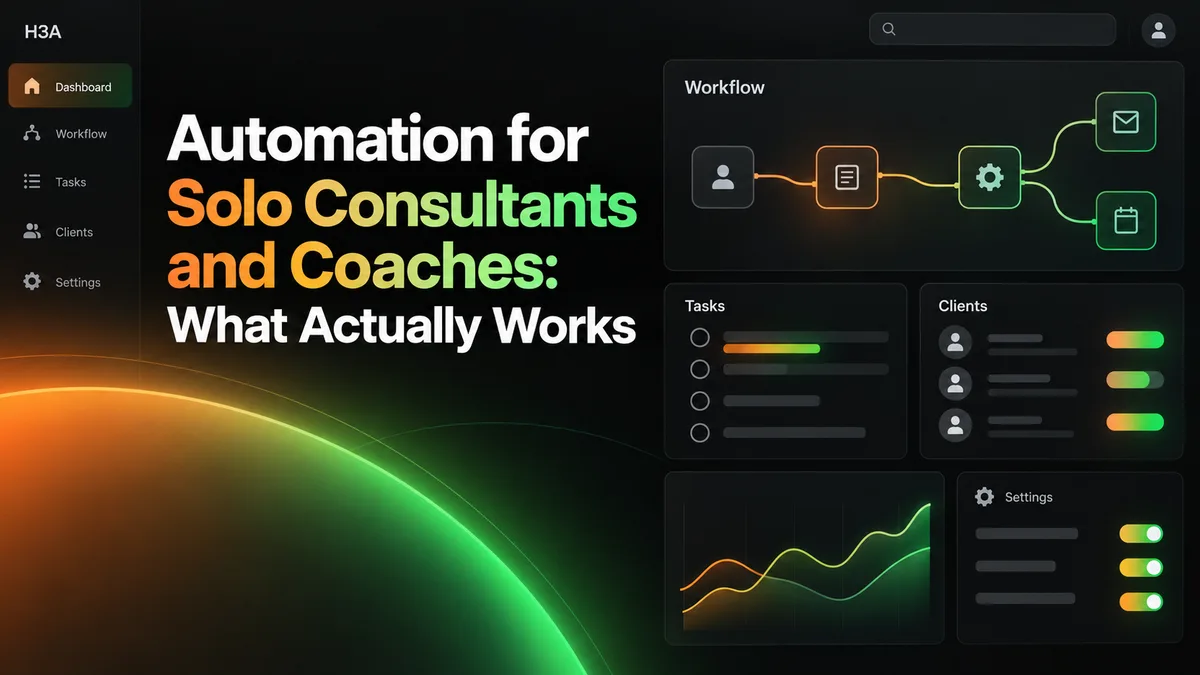
Automation for solo consultants and coaches gets sold the same way it’s sold to everyone else, as a generic productivity fix, when the real situation is genuinely different. A solo consultant or coach isn’t managing a team’s workflow, they’re managing their entire business alone: the client work, the marketing, the outreach, the content, the admin, often all in the same afternoon. Automation for solo consultants and coaches only actually works when it’s built around that real constraint, not adapted from a template made for a five-person team.
We work with exactly this audience often enough to know what genuinely works versus what just sounds good in a sales pitch.
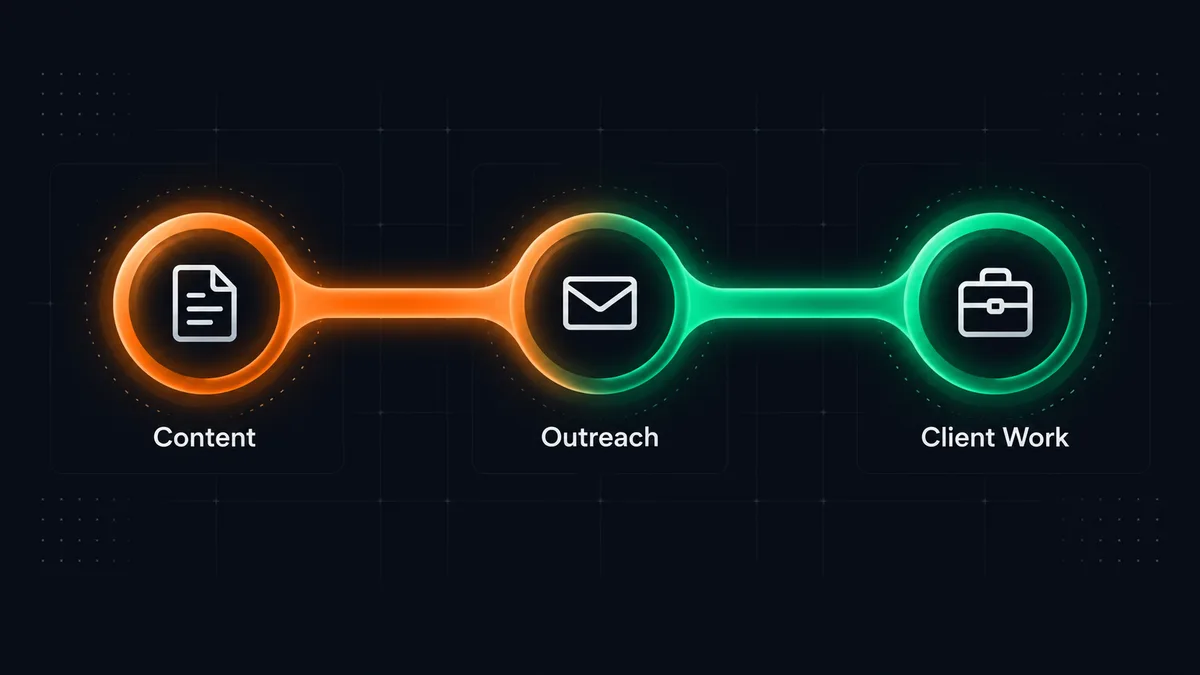
Quick answer: Automation for solo consultants and coaches works best when it covers outreach and content together, not as two separate tools bought and configured independently. A solo operator’s real bottleneck isn’t any single task, it’s the sheer number of different hats being worn in the same week, and the genuine gap in the market is that almost nobody bundles both under one system built specifically for someone working alone.
What’s covered
Why solo consultants and coaches face a genuinely different problem
A team of ten can split outreach, content, and delivery across different people. A solo consultant or coach is all ten of those people, in the same real week, often the same real day. That’s not a minor difference in scale, it’s a structurally different problem, and it’s exactly why automation for solo consultants and coaches built around a team-sized assumption tends to underperform for this specific audience. Getting automation for solo consultants and coaches right means designing around that single-person reality from the start, not retrofitting it after the fact.
Real research on solo operators and marketing automation makes a genuinely honest point most guides skip: automation is sometimes used to avoid the harder real work of figuring out why an offer isn’t landing in the first place, rather than actually fixing the underlying problem. That’s a real risk specific to working alone, since there’s no colleague around to flag it. Automation for solo consultants and coaches has to solve real capacity problems, not paper over a messaging problem with more scheduled posts.
The real cost of wearing every hat at once
A solo consultant switching between a client call, a content idea, and a follow-up email in the same hour pays a real cost that a team member specializing in just one of those tasks never pays: the mental cost of constantly context-switching between genuinely different kinds of work. That cost is invisible on a calendar, since each task might only take twenty minutes, but it compounds across a real week into a kind of fatigue that has nothing to do with the actual hours worked and everything to do with how fragmented those hours were.
Automation for solo consultants and coaches that actually reduces this fatigue, not just the raw task count, is what separates a genuinely useful setup from one that just moves tasks around without addressing the real underlying strain.
The real signals automation is genuinely needed
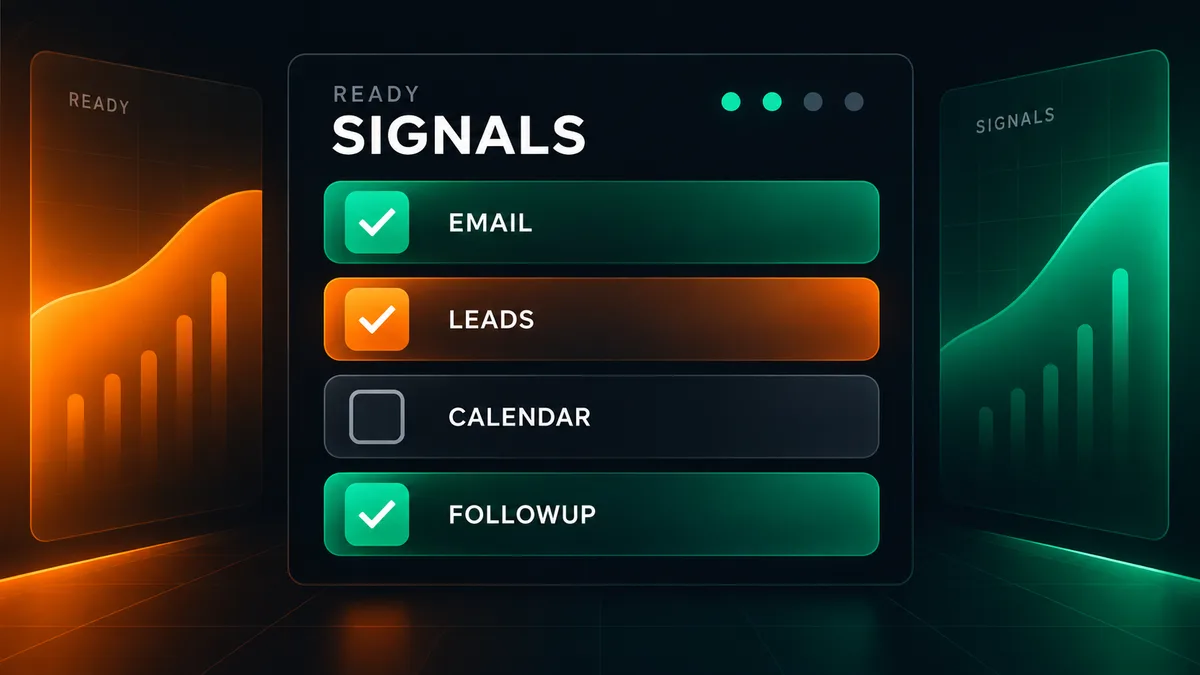
- Content and outreach consistently get pushed to whenever there’s spare time, which in practice means they happen rarely or not at all.
- A real week goes by with zero new outreach sent, not because there’s nothing to say, but because there was never a real block of time to sit down and send it.
- Marketing only happens in visible bursts right before a launch or a slow month, rather than running consistently in the background.
- The actual client-facing work, the part that pays, keeps losing out to the marketing and admin work that supports it.
Automation for solo consultants and coaches isn’t about doing more marketing, it’s about the marketing that already needs to happen actually happening, consistently, without eating into client time.
The real gap most tools and agencies both miss
Most self-serve automation tools are built for a general audience and require real configuration time a solo operator doesn’t have to spare. Most agencies, meanwhile, are built around larger retainers and larger clients, and treat a solo consultant’s business as too small to be worth a dedicated, properly bundled offer. That leaves a genuine, real gap: nobody consistently bundles content and outreach automation together, specifically built and priced for someone running a business alone.
This is a real, evidence-backed gap, not a guess. It’s the same reason we built the Growth Bundle the way we did, one bundled system covering email outreach, social outreach, and content automation together, rather than three separate purchases a solo consultant would otherwise have to research, buy, and configure independently.
Why bundling specifically matters for this audience
For a larger business, buying three separate specialized tools and having a dedicated person manage the integration between them is a real, manageable overhead. For a solo consultant or coach, that same overhead falls entirely on the one person already stretched across every other part of the business. Bundling isn’t a pricing convenience here, it’s a direct answer to the real structural problem this audience faces: automation for solo consultants and coaches needs to reduce the number of things being managed, not just the number of tasks being done manually.
The most common mistake this audience makes
The most common real mistake is buying and configuring three or four separate tools, one for scheduling posts, one for email sequences, one for a CRM, one for content ideas, and treating the resulting patchwork as automation. Each tool individually works fine. The real problem is that a solo operator now has to be the person who keeps all of them connected and working together, which is exactly the kind of ongoing configuration time that was the real bottleneck in the first place.
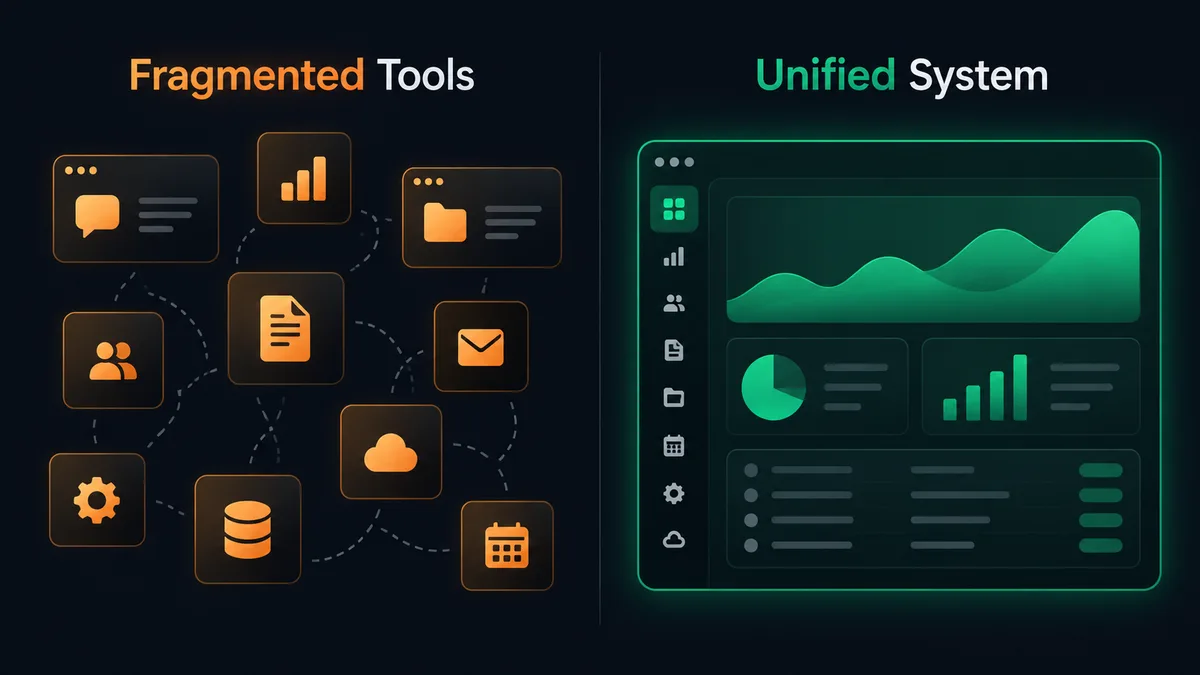
Real guidance on marketing automation for consultants confirms that a fragmented tool stack is a genuinely common trap, not a rare mistake. Automation for solo consultants and coaches that actually works tends to consolidate rather than multiply the number of separate systems being managed.
A second real mistake: automating before the message is right
Automating a sequence of posts or emails around an offer that isn’t actually resonating with the real audience doesn’t fix the underlying problem, it just makes the same non-working message repeat faster and more consistently. A short, honest check, genuinely asking whether the last several real client conversations reflect what’s being said in the marketing, before automating anything, catches this early. Automation for solo consultants and coaches works best applied to a message that’s already proven to land, not as a substitute for figuring out what that message actually is.
A third real mistake: setting it up once and never revisiting it
A solo consultant’s real offers, pricing, and positioning shift over time as the business grows and the ideal client becomes clearer. Automation set up around an earlier version of the business can quietly keep running outdated messaging long after it stops reflecting reality. A short, real quarterly check that the automation still says what’s actually true today is a small cost against the real risk of a prospect reading something that no longer matches the current business.
What genuinely working automation looks like for this audience
Genuinely working automation for solo consultants and coaches is invisible in daily practice. Content goes out on a real, consistent schedule without the consultant remembering to post it. Outreach continues running in the background while they’re in back-to-back client sessions. The measure of success isn’t a sophisticated dashboard full of settings, it’s whether marketing keeps happening at all during the busiest, most client-heavy weeks, which is exactly when it would otherwise stop.
Some real research on coaching businesses specifically found meaningful reductions in real administrative time once repetitive marketing tasks were automated, freeing up capacity for more actual client work rather than more marketing busywork. That real analysis is a useful, honest data point, not a guarantee, since the actual result depends heavily on what’s automated and how well it’s set up.
Doing it yourself versus having it done for you
A solo consultant with genuine spare hours and an interest in the technical side can absolutely build this themselves with the right no-code tools. The honest reality for most solo operators, though, is that spare hours are exactly what’s missing, which is the whole reason automation for solo consultants and coaches is worth solving in the first place. Done-for-you automation exists for that more common real situation: someone who knows they want content and outreach running consistently but doesn’t have a free month to build and connect it all themselves.
This tradeoff is genuinely sharper for a solo operator than for a larger business. A team can absorb a self-managed automation project by assigning it to whoever has the most spare capacity that quarter. A solo consultant has no such person to assign it to other than themselves, which means every hour spent building automation is directly an hour not spent with a paying client. That opportunity cost is real and immediate in a way it simply isn’t for a business with more than one person to draw on.
A realistic timeline for getting this right
A genuine setup starts with honestly mapping what actually needs to go out, which content topics, which outreach sequences, rather than guessing at a generic template. Building and connecting the actual systems is the next phase, followed by a real testing period against actual client scenarios before trusting it to run fully unattended during a busy client week. Done properly, whether self-built or done-for-you, this realistically takes several real weeks, not a single weekend, and rushing it tends to produce exactly the fragmented, half-working setup this whole piece is warning against.
What to do next
If content and outreach have been quietly slipping for weeks because there’s never a real block of time to sit down and do them, that’s the actual signal worth acting on, not a lack of discipline. If you’d rather have one bundled system built specifically for a solo consultant’s or coach’s real situation, rather than three separate tools to configure yourself, that’s exactly what a short call is for.
Whichever path you choose, the real principle stays the same: automation for solo consultants and coaches should reduce the number of things you personally manage, not just the number of manual tasks you personally do. A setup that trades five manual tasks for four separate tools to babysit hasn’t actually solved the real problem, it’s just relocated it.
Frequently asked questions
Is automation for solo consultants and coaches worth it even with a very small client list?
Yes. The real value isn’t tied to client volume, it’s tied to how much of a solo operator’s own time gets freed up for actual client work. A small client list with almost no time to spare for marketing benefits just as much as a larger one, and often benefits more, since every hour matters more when there’s no team to absorb the loss.
Does automation for solo consultants and coaches replace the personal touch clients expect?
No, and it shouldn’t try to. The repetitive parts, scheduling, initial outreach touches, content distribution, are what gets automated, while discovery calls, coaching sessions, and real client relationships stay personal and untouched. That’s a deliberate design choice, not an accidental limitation.
What if I’ve already tried automation tools and they didn’t work?
That’s genuinely common, and it’s usually the fragmented-tool-stack problem described above, not a sign automation itself doesn’t work for solo operators. A bundled, done-for-you system solves a different real problem than a self-serve tool a solo consultant has to configure and maintain alone, which is exactly why automation for solo consultants and coaches needs a different approach than the general market default.
How is this different from hiring a virtual assistant?
A VA still needs real management time, training, and oversight, which is itself another task competing with client work. Automation for solo consultants and coaches removes that management overhead entirely once it’s properly set up and running, rather than trading one dependency for another.
Can this scale if my solo practice eventually grows into a small team?
Yes. The underlying automation doesn’t need to be rebuilt from scratch as a business grows, it keeps running the same way while new team members take on the client-facing work that was never meant to be automated in the first place.
The real takeaway: automation for solo consultants and coaches only works when it’s built around the real constraint this audience actually faces, being every department in one person, not adapted from a system built for a team. The genuine gap in the market, a real bundled offer for this exact audience, is what makes solving this properly worth doing now rather than cobbling together separate tools and hoping they hold together.